


AGE

OF ROPE

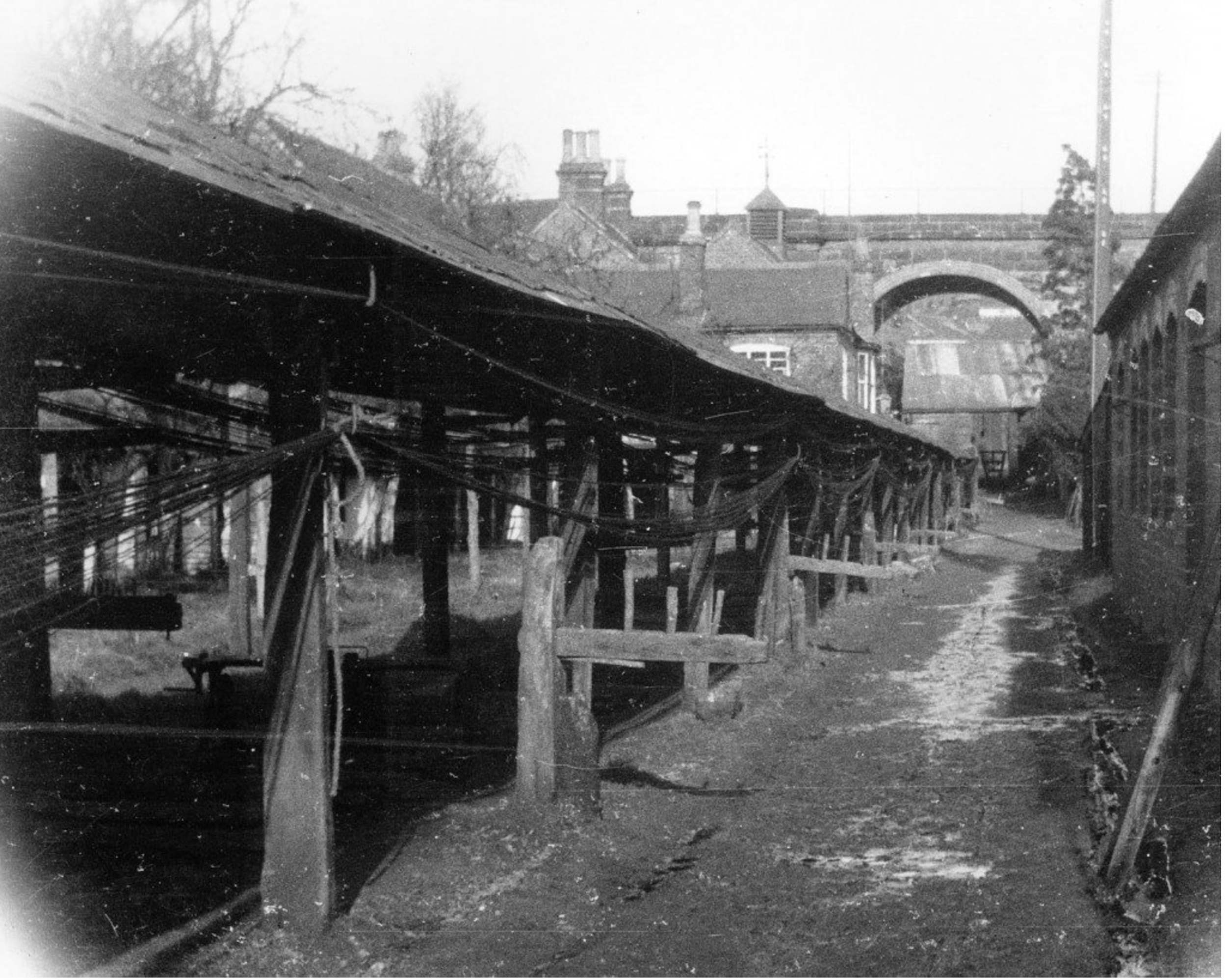
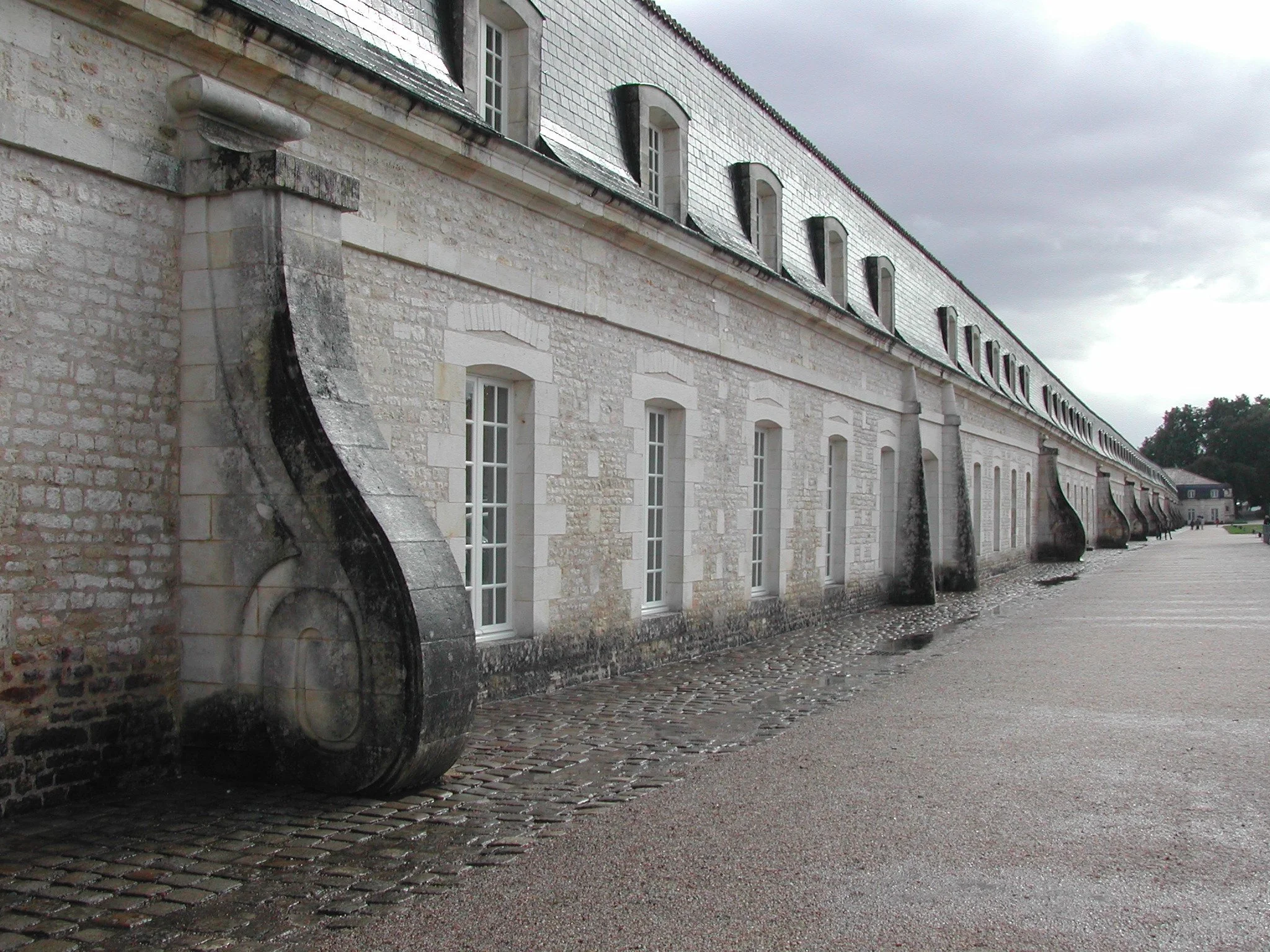
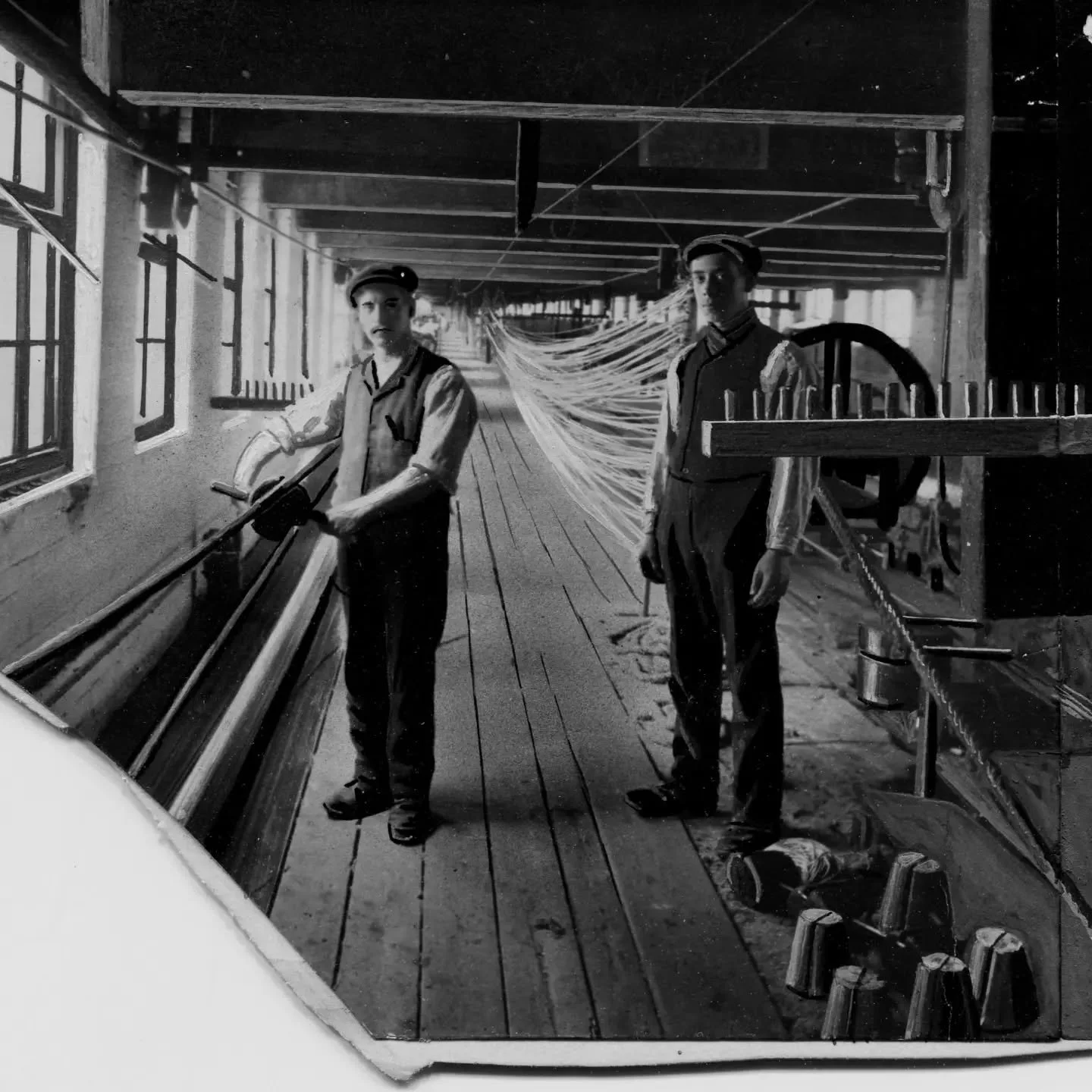
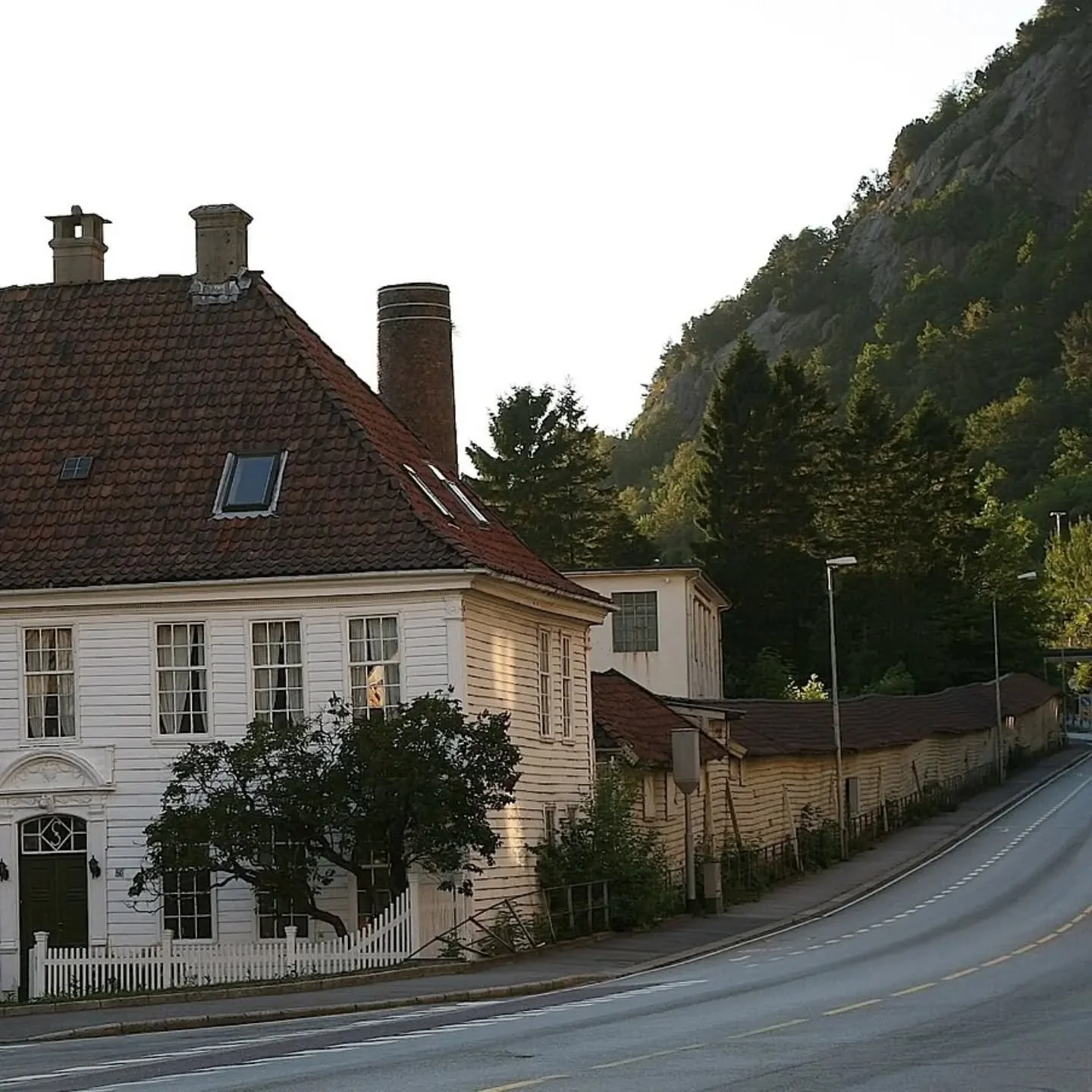
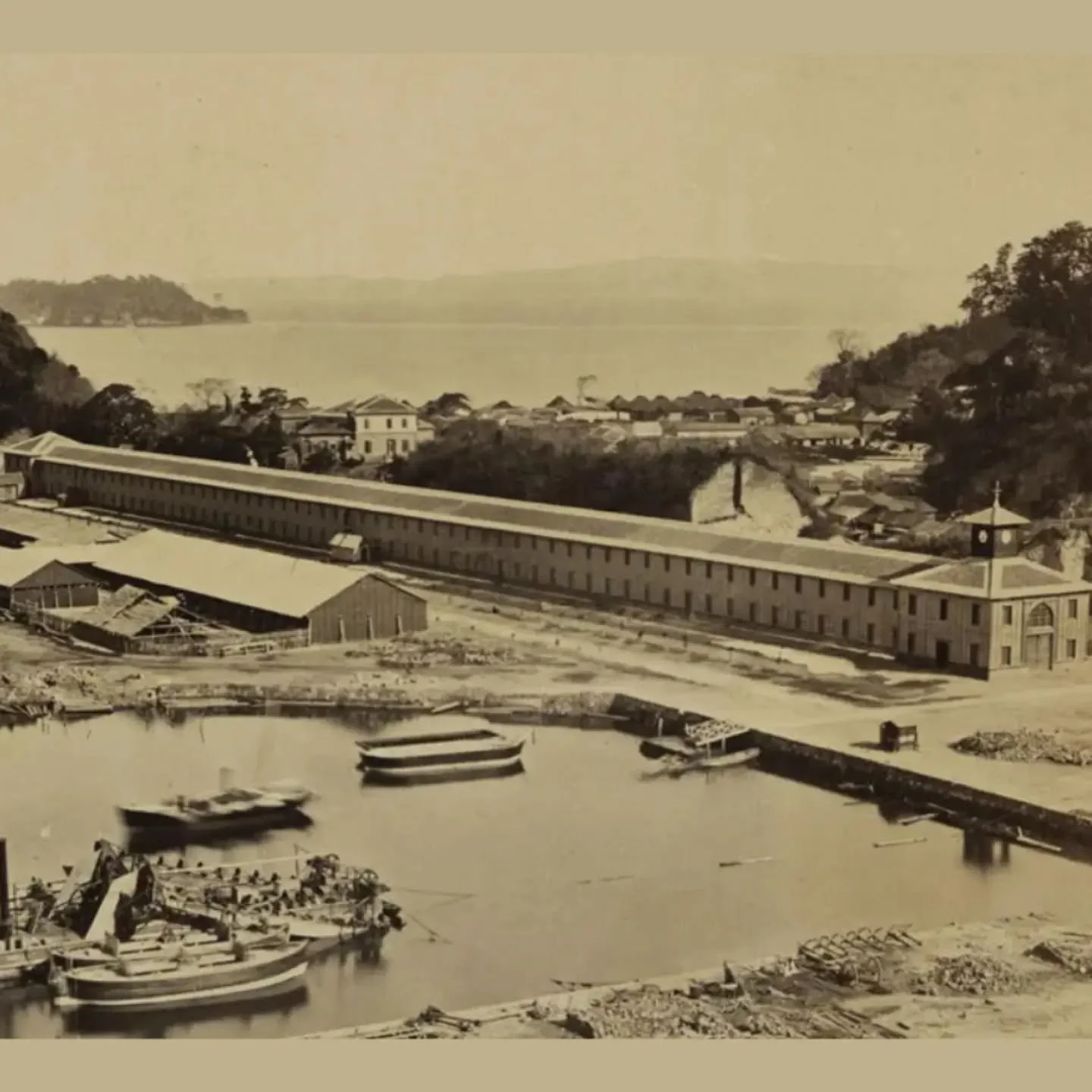
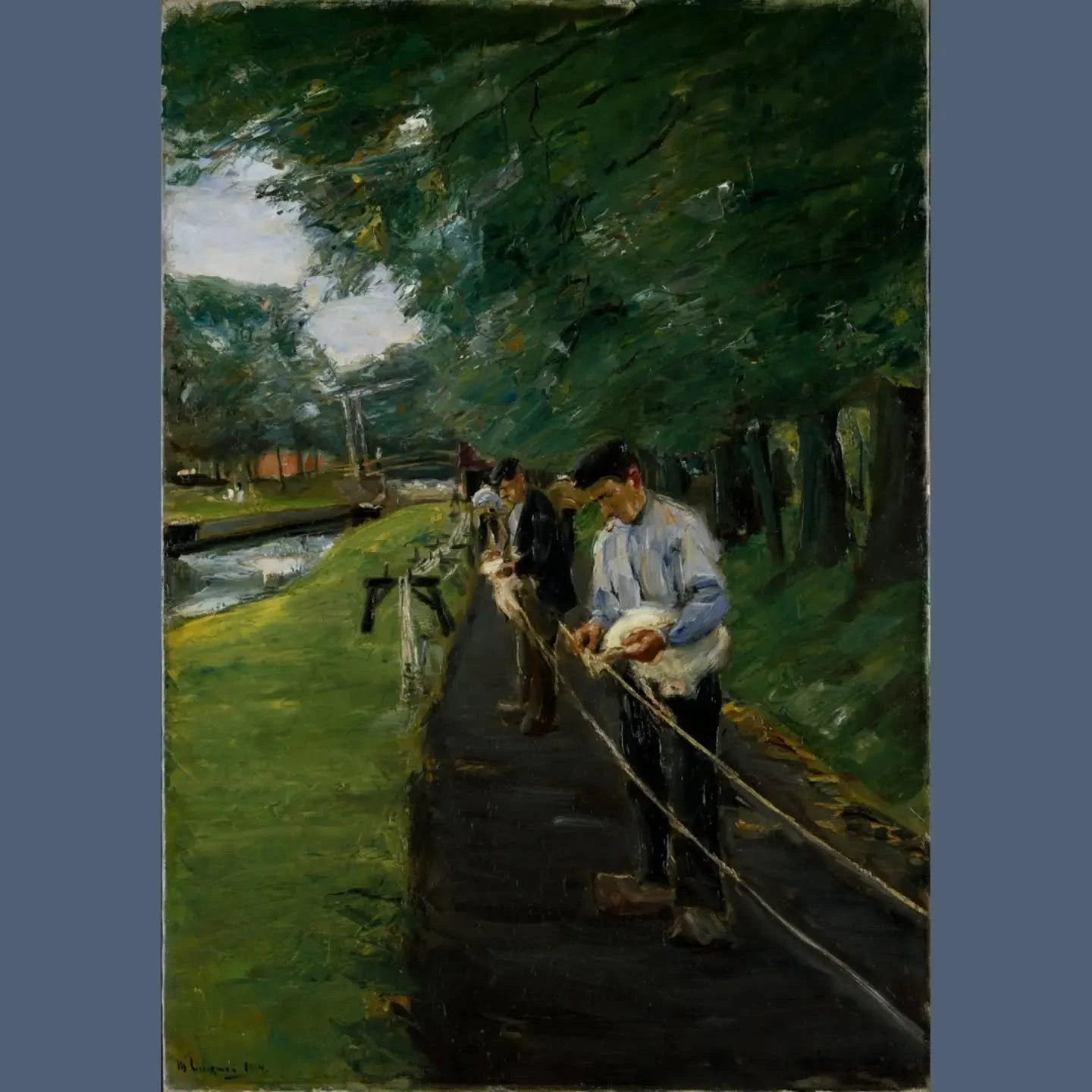
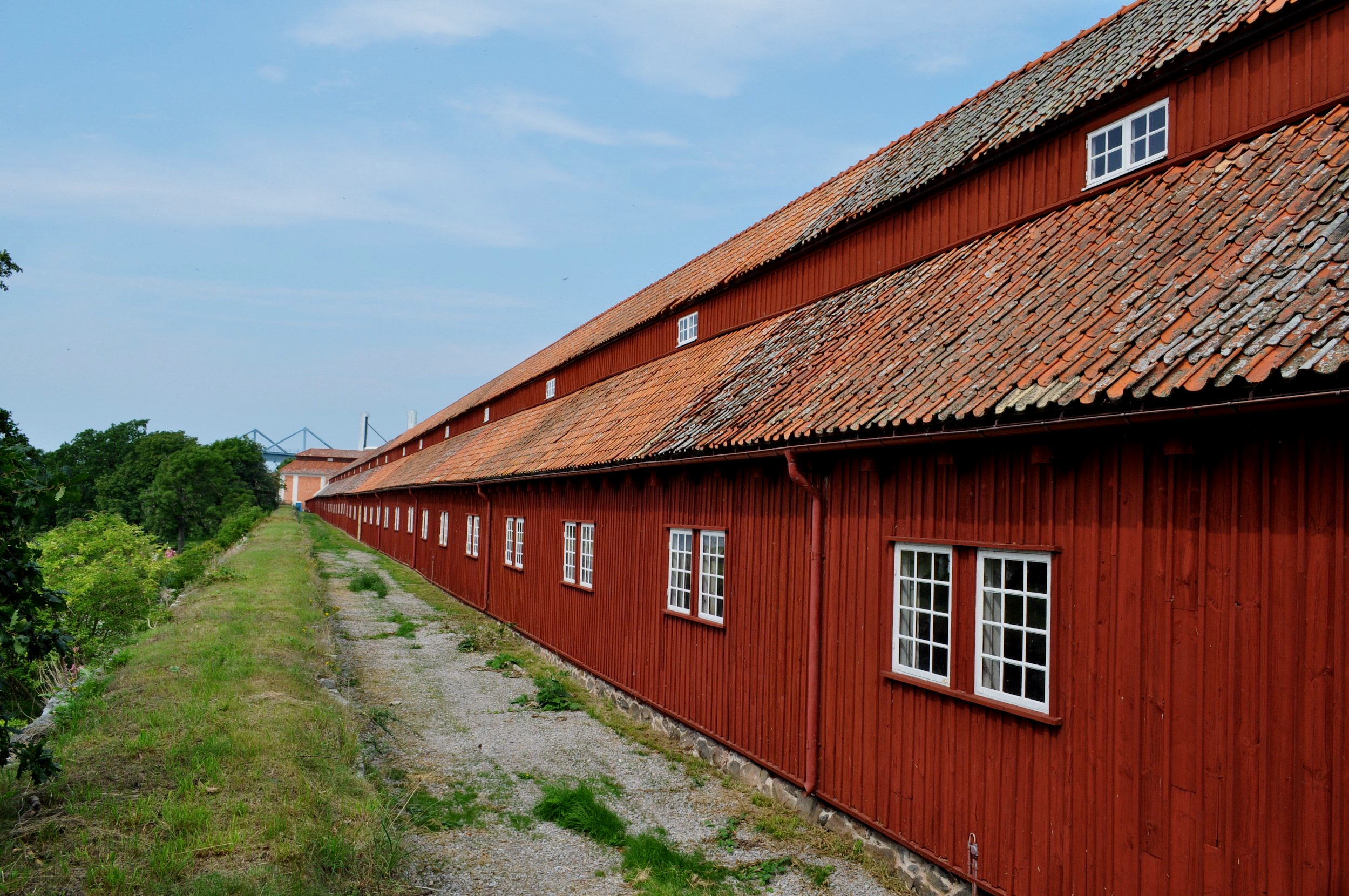
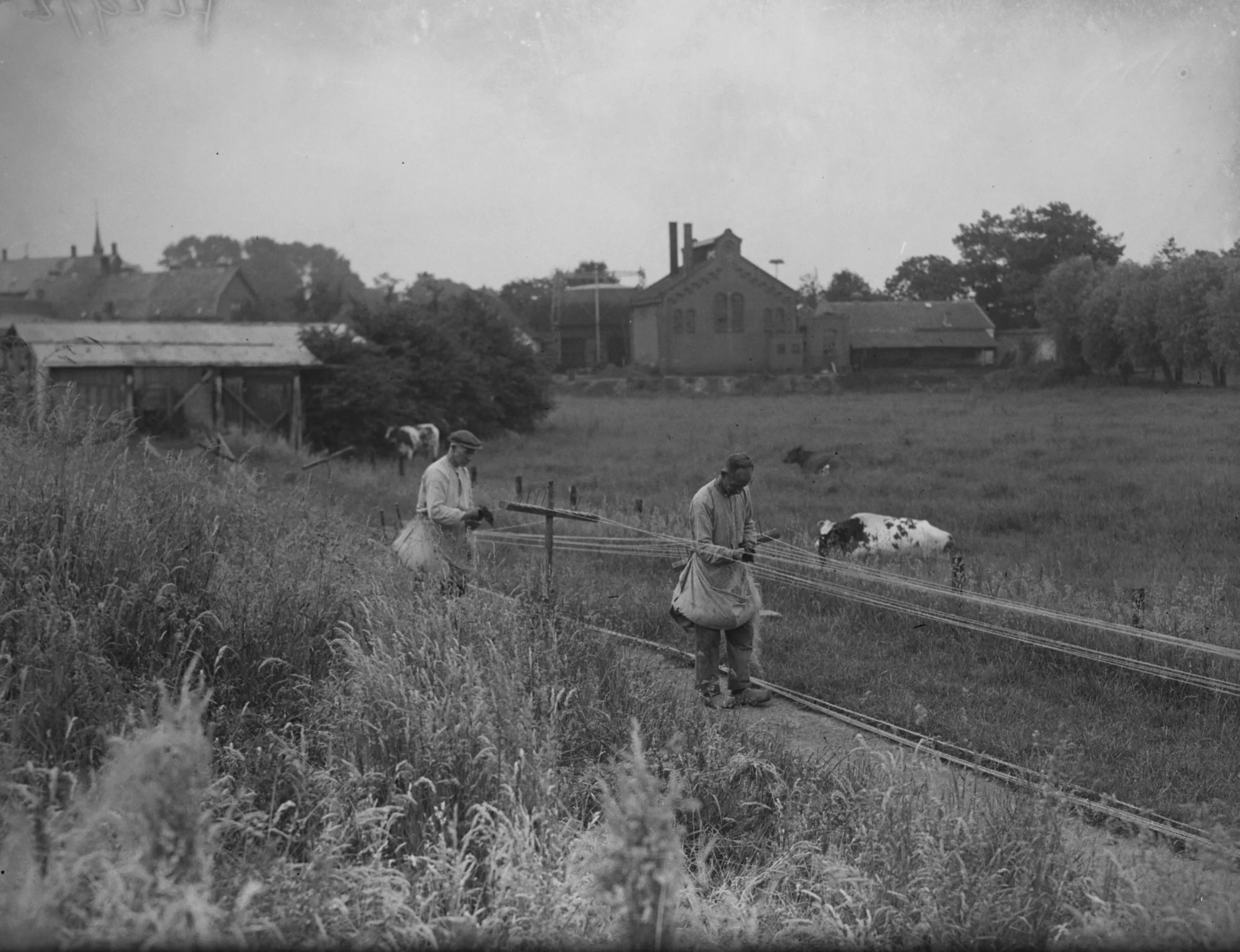
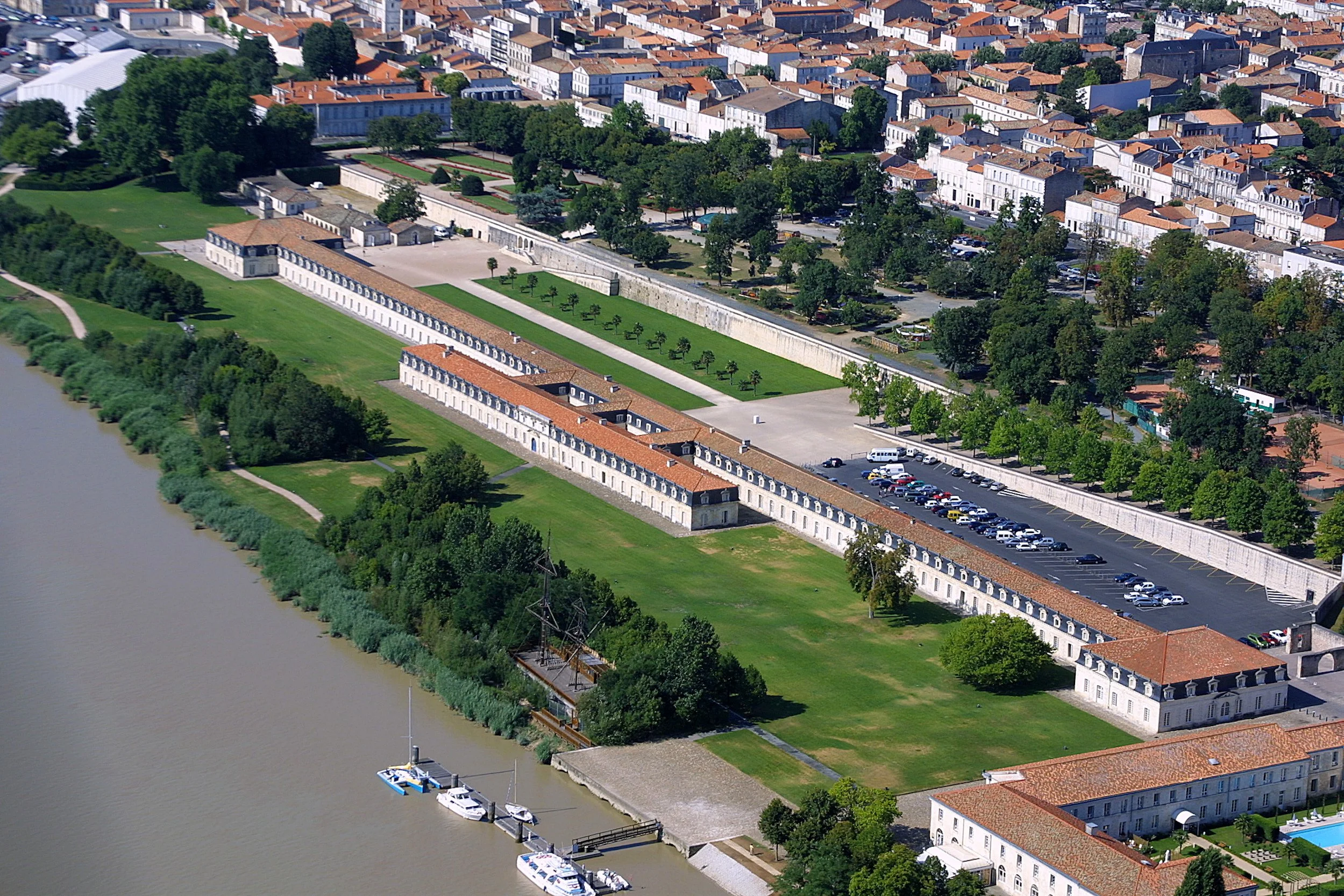
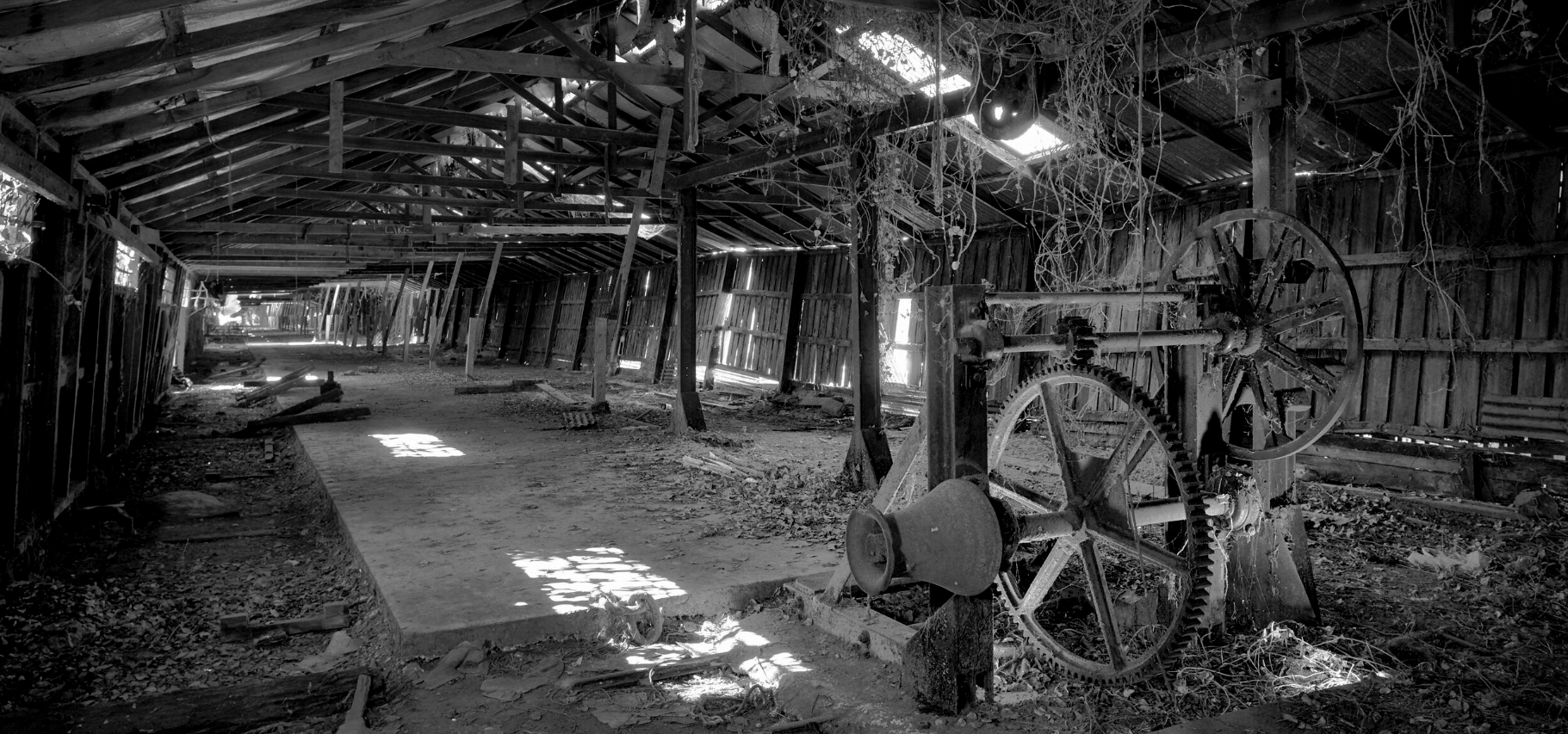
Before synthetic fibres replaced natural ones, rope was fundamental to almost every form of work — rigging ships, raising buildings, sinking mine shafts, and binding harvests. It also carried a darker history, woven into systems of punishment and control. Artists across many centuries reached for it as a material freighted with meaning. The buildings where workers made it, known as ropewalks, once stood in every major port city and many rural districts, yet historians have largely overlooked them. Age of Rope investigates these structures across Europe and North America from 1500 to 1900, examining how they connected hemp-growing agricultural regions to maritime economies, and how their history opens onto the broader cultural life of rope itself. Led by Professor Christy Anderson, the project draws on archives in England, France, Sweden, the Netherlands, and North America to reconstruct the architectural, economic, and social history of an industry central to early modern life.

The project brings together an international team of scholars and heritage partners, and it carries real urgency: surviving ropewalks face ongoing pressure from demolition and redevelopment. Alongside archival and architectural research, the project maintains a digital map of sites across the Atlantic and Mediterranean worlds, combining historical evidence with visual records in an accessible public resource. Students contribute actively to all phases of the work, gaining hands-on experience in international fieldwork, archival research, and peer-reviewed publication.

People

Christy Anderson

Christy Anderson studies and teaches the history of architecture. While most of her work focuses on the buildings of early modern Europe, her projects extend broadly across oceans and into contemporary design. A full-time member of the Department of Art History at the University of Toronto, and a member of the faculty at Daniels, she enjoys teaching both non-specialist undergraduates and students in the professional programs.

People

Nica Fleming

Nica is soon to graduate with a specialist degree in Art History and a minor in Human Geography. Her primary area of interest is architectural history. She loves discovering connections between stylistic movements and is fascinated by representations of architecture in other mediums. Nica plans to continue to research the interconnected nature of art, architecture, and cultural context. 

LinkedIn
People

Featured Research

Follow us on Instagram